 Home
Home Congress Info
 Programme
Research dissemination is the deliberate process of sharing scholarly findings with audiences who can use, apply, or build on that work. When researchers invest in structured research dissemination, their publications move beyond library shelves and into real-world conversations. This article explores how strategic sharing transforms academic output into genuine influence, covering channels, barriers, metrics, and practical approaches that strengthen the reach of any research project.
Research dissemination and its core academic value
Academic work gains true meaning only when it reaches the people who need it most. Without deliberate sharing, even well-designed studies risk staying invisible to practitioners, policymakers, and fellow scholars working on related problems.
Why research dissemination drives scholarly progress
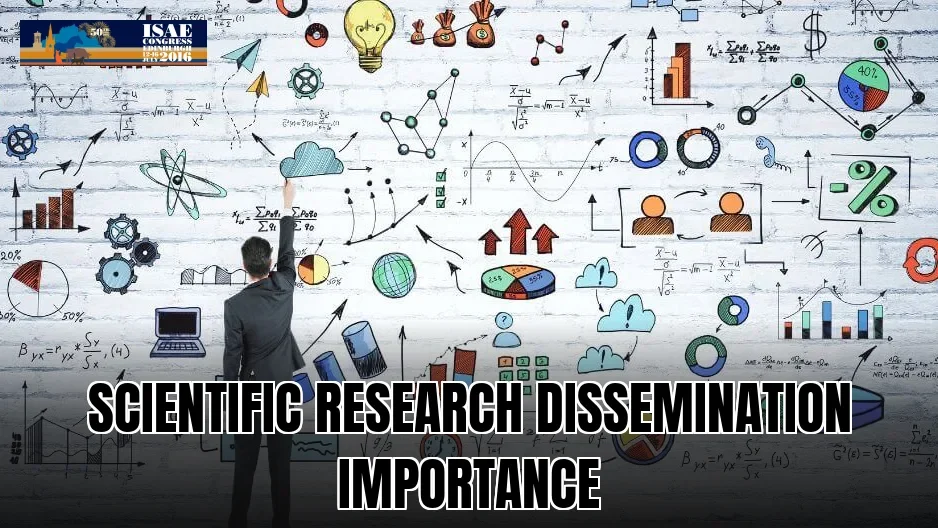
Research dissemination accelerates the pace of knowledge-building by ensuring that discoveries do not stall at the point of publication. When findings circulate freely, other researchers can verify, challenge, or extend them in ways that sharpen the discipline as a whole. A well-shared study creates a living conversation rather than a closed document.
The link between sharing and citation rates
Studies that are actively promoted through multiple channels consistently attract higher citation counts than those left to surface organically in journal indexes. Every citation signals that a finding has influenced another scholar’s thinking, which in turn strengthens the author’s academic reputation over time. Effective research dissemination is therefore one of the most practical investments a researcher can make early in a publication cycle.
Institutional benefits of broad knowledge sharing
Universities and research centers that encourage open sharing of scholarly output tend to secure more funding, attract stronger graduate candidates, and build more influential faculty networks. When an institution is known for making knowledge accessible, external partners from industry and government are more likely to collaborate. Supporting research dissemination at the organizational level ultimately raises the profile of every researcher working within it.
Research dissemination channels that maximize reach
Choosing the right combination of outlets determines how far a finding travels and how diverse an audience it reaches. Different channels serve different purposes, and a thoughtful mix is almost always more effective than relying on a single platform.

Peer-reviewed journals and open-access platforms
Publishing in peer-reviewed journals remains the most credible form of research dissemination because it signals that the work has survived rigorous expert scrutiny. Open-access journals extend that credibility by removing paywalls, allowing researchers in lower-income institutions and independent practitioners to read and apply the findings. Depositing manuscripts in institutional repositories adds a further layer of visibility without requiring any additional peer review.
Conferences, workshops, and academic networking events
Presenting at conferences gives researchers a live opportunity to test their arguments, receive immediate feedback, and connect with scholars whose work intersects with their own. A well-prepared conference presentation can generate interest a study months before the formal journal article appears. Effective research dissemination often begins at these events, where informal conversations frequently lead to citations, collaborations, and media interest.
Digital platforms and social media for scholars
Platforms such as ResearchGate, Academia.edu, and LinkedIn have become essential components of a modern dissemination strategy. Posting preprints, sharing abstracts, or even writing short LinkedIn summaries of key findings brings scholarship to professionals who rarely consult academic databases. When researchers approach digital channels with the same care they bring to peer review, research dissemination can extend into policy circles, newsrooms, and public discourse almost instantly.
| Channel | Primary audience | Speed of reach | Credibility level |
|---|---|---|---|
| Peer-reviewed journal | Academics and researchers | Slow (months) | Very high |
| Open-access repository | Academics, students, public | Fast (days) | High |
| Academic conference | Scholars and practitioners | Moderate (weeks) | High |
| Social media / ResearchGate | Broad professional network | Immediate | Moderate |
| Policy brief or press release | Policymakers and media | Fast (days) | Moderate to high |
Barriers that limit effective knowledge sharing
Even researchers who understand the value of sharing their work frequently encounter obstacles that slow or narrow the reach of their findings. Recognizing these barriers is the first step toward addressing them strategically.
Paywalls and restricted access in academic publishing
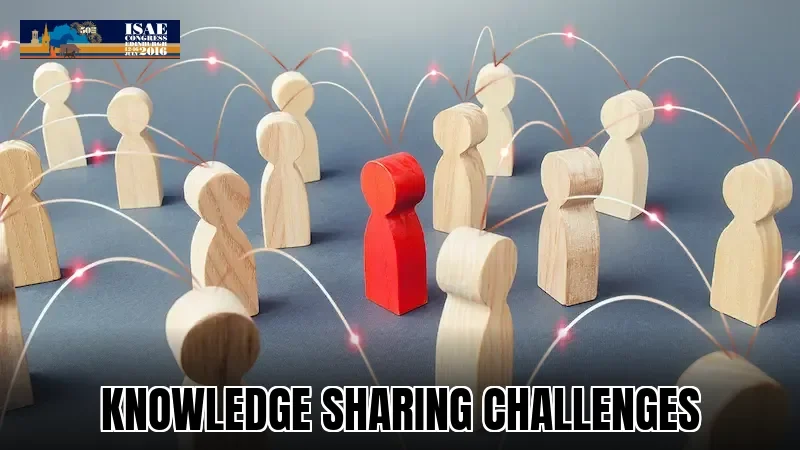
Subscription-based journals remain one of the most significant structural barriers to wide research dissemination, as most practitioners and policymakers will not pay individual access fees to read a single article. This creates an ironic situation where publicly funded research becomes inaccessible to the public that funded it. Preprint servers and green open-access self-archiving offer practical workarounds that many researchers still underuse.
Language barriers and geographic inequalities
The dominance of English in international academic publishing creates a structural disadvantage for non-native speakers and limits how readily knowledge travels across linguistic boundaries. Researchers in the Global South often find that their locally relevant findings receive less international attention, not because the work is weaker but because distribution networks favor established institutional connections. Addressing language access is an often-overlooked dimension of inclusive research dissemination that the field is slowly beginning to take more seriously.
Time and skill gaps in communication strategies
Many researchers receive extensive training in methodology but very little guidance on how to communicate their findings to non-specialist audiences. Writing a compelling policy brief, crafting a readable blog post, or summarizing a study in a 280-character post requires a distinct set of skills that academic programs rarely teach formally. Closing this gap matters because research dissemination that stalls at the journal stage fails to generate the broader impact that funders and institutions increasingly expect to see.
Metrics that measure dissemination success
Tracking outcomes allows researchers to refine their strategies over time and demonstrate the value of their work to funding bodies and institutional stakeholders. Numbers tell only part of the story, but they provide a useful starting point for evaluating what is working.
Altmetrics, downloads, and social engagement data
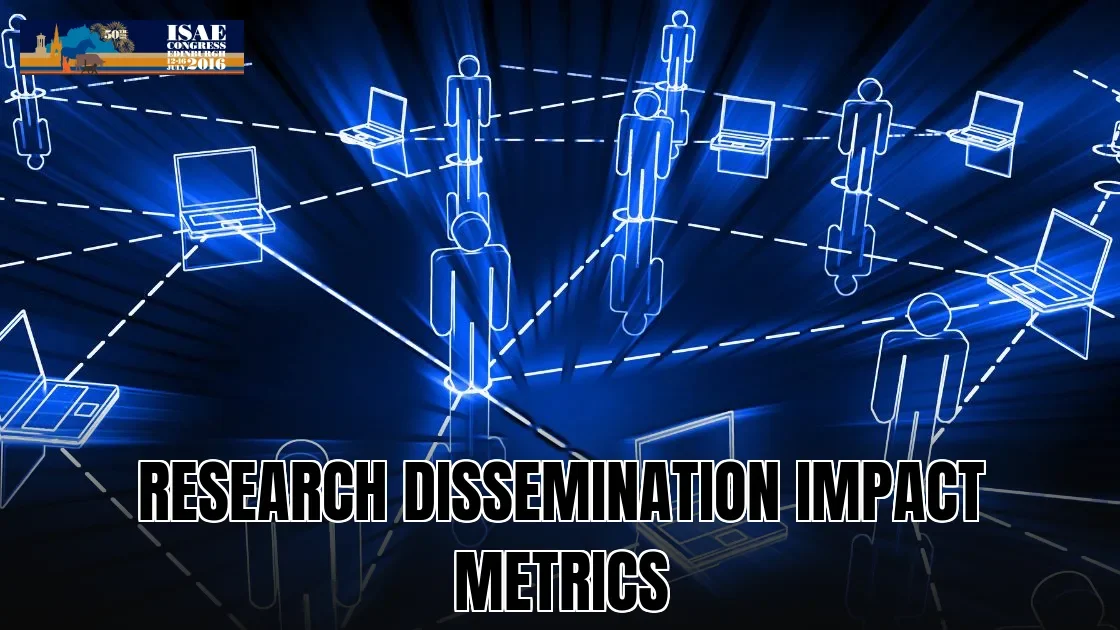
Traditional citation counts measure influence within academic literature, but altmetrics capture the broader footprint of a study across news coverage, policy documents, and social media shares. Download statistics from open-access repositories show how many people accessed the full text, regardless of whether they cited it later. Combining these indicators gives a more complete picture of how effectively research dissemination is translating scholarly output into real-world engagement.
Tracking policy influence and media mentions
A study that shapes a government report or informs a news investigation has clearly achieved meaningful reach beyond the academic community. Tools such as Google Alerts, Overton, and media monitoring services help researchers identify when their work is being cited in non-academic contexts. Documenting these instances is increasingly important for grant applications and institutional reviews that ask researchers to demonstrate the societal impact of their research dissemination efforts.
Long-term citation trends as impact indicators
Citations accumulate over time, and a study that attracts steady references five or ten years after publication often has more lasting influence than one that generates brief initial buzz. Monitoring citation trajectories through tools like Google Scholar or Web of Science allows researchers to identify which findings continue to resonate and which may benefit from follow-up work or updated commentary. Sustained citation growth is one of the clearest signals that research dissemination has genuinely elevated academic impact over the long term.
Conclusion
Research dissemination is not a finishing step but a continuous practice that shapes how scholarship influences science, policy, and society. Researchers who invest in strategic sharing consistently achieve greater citation rates, stronger institutional profiles, and broader real-world impact. Visit isae2016.co.uk to explore resources that support every stage of the academic publishing journey.
Xem thêm: Scientific manuscript preparation for credible journals