
 Home
Home Congress Info
 Programme
Professional networking is no longer just about exchanging business cards at formal events — it has evolved into a dynamic, multi-channel strategy that defines career trajectories in 2026. Whether you are a seasoned executive or an early-career professional, the ability to cultivate authentic relationships within your industry directly impacts your opportunities, reputation, and long-term growth. This guide explores the most effective frameworks for building a powerful network, from digital platforms to in-person engagement, helping you navigate the modern landscape with confidence and purpose.
Why Professional Networking Matters More Than Ever In 2026
The global job market and business ecosystem have undergone a profound transformation over the past decade. In 2026, professional networking serves as one of the most reliable engines of career advancement, business development, and knowledge exchange. Studies consistently show that a significant percentage of job opportunities are filled through personal referrals rather than public postings, reinforcing the critical importance of maintaining a strong, active network. Beyond employment, networking enables professionals to stay ahead of industry trends, access mentorship, and collaborate on innovative projects that would otherwise remain out of reach.
The Shifting Landscape Of Career Development
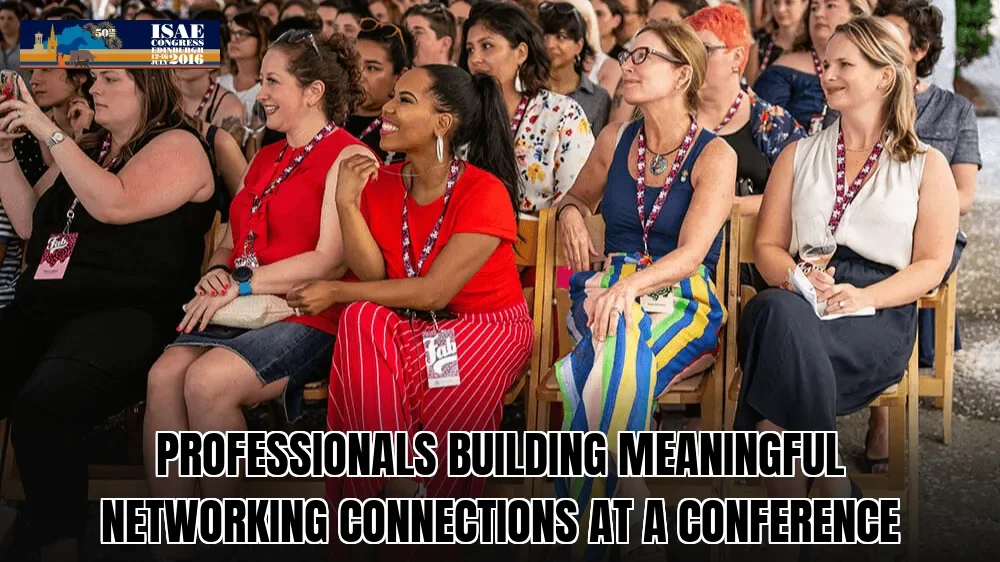
Career development in 2026 is no longer linear. Professionals frequently pivot between industries, roles, and even geographic regions, making adaptable networks more valuable than ever. Professional networking provides the connective tissue that bridges these transitions, offering access to insights, introductions, and opportunities at every career stage. Individuals who invest consistently in relationship-building tend to demonstrate greater resilience during economic shifts and organizational changes. The ability to tap into a trusted community of peers, mentors, and collaborators has become a defining characteristic of high-performing professionals across all sectors.
Key Benefits Of A Strong Professional Network
A well-cultivated network delivers measurable advantages that extend far beyond job searching. Professional networking opens doors to collaborative research, co-authorship opportunities, speaking invitations, and access to exclusive industry intelligence. For academics and researchers, it facilitates interdisciplinary dialogue that accelerates discovery. For business professionals, it generates referrals, partnerships, and client relationships that drive revenue. The compounding effect of a strong network means that each new connection has the potential to introduce you to an entirely new sphere of influence, multiplying your reach and credibility over time.
Common Misconceptions That Limit Networking Success
Many professionals underutilize professional networking because of persistent misconceptions — chief among them the belief that networking is inherently transactional or manipulative. In reality, the most effective networks are built on genuine curiosity, mutual respect, and a willingness to contribute value before seeking any return. Another common barrier is the assumption that networking requires extroversion or a large social circle. Research and practitioner experience consistently demonstrate that introverts often build deeper, more meaningful professional relationships precisely because they prioritize quality over quantity in their interactions.
Proven Strategies For Effective Professional Networking
Building a powerful network requires intentional strategy, consistent effort, and a clear understanding of your professional goals. Effective professional networking combines both digital and in-person touchpoints, leveraging platforms, events, and communities to create a diverse and resilient web of connections. The following strategies reflect best practices endorsed by career development experts, organizational psychologists, and industry leaders who have successfully built influential networks across multiple domains.
Leveraging Digital Platforms And Online Communities
LinkedIn remains the dominant platform for professional networking in 2026, but savvy professionals also engage through industry-specific forums, academic networks like ResearchGate, and niche online communities hosted on platforms such as Slack or Discord. The key to digital networking success lies in consistent, value-driven engagement — sharing original insights, commenting thoughtfully on others’ content, and initiating conversations that demonstrate genuine interest. Optimizing your digital profile with a clear value proposition, endorsements, and a portfolio of work significantly increases your visibility and attractiveness to potential collaborators and employers.
Maximizing In-Person Events And Conferences
Despite the rise of remote work and virtual events, in-person conferences and industry gatherings remain irreplaceable for deep professional networking. Face-to-face interactions build trust and rapport at a speed that digital communication rarely matches. To maximize conference networking, professionals should research attendees and speakers in advance, prepare a concise and compelling personal introduction, and follow up within 48 hours with personalized messages that reference specific conversations. Academic and professional conferences, such as those organized by ISAE, provide structured environments where meaningful connections form naturally around shared intellectual interests and research agendas.
Building Long-Term Relationships Through Consistent Follow-Up
The most overlooked aspect of professional networking is the follow-up. Initial introductions create potential; consistent, thoughtful follow-up transforms that potential into lasting professional relationships. Effective follow-up strategies include sharing relevant articles, congratulating connections on achievements, and periodically checking in without an immediate agenda. Maintaining a simple relationship management system — even a spreadsheet tracking key contacts, last interaction dates, and shared interests — can dramatically improve the consistency and quality of your networking efforts over time.
Professional Networking Best Practices: A Comparative Overview
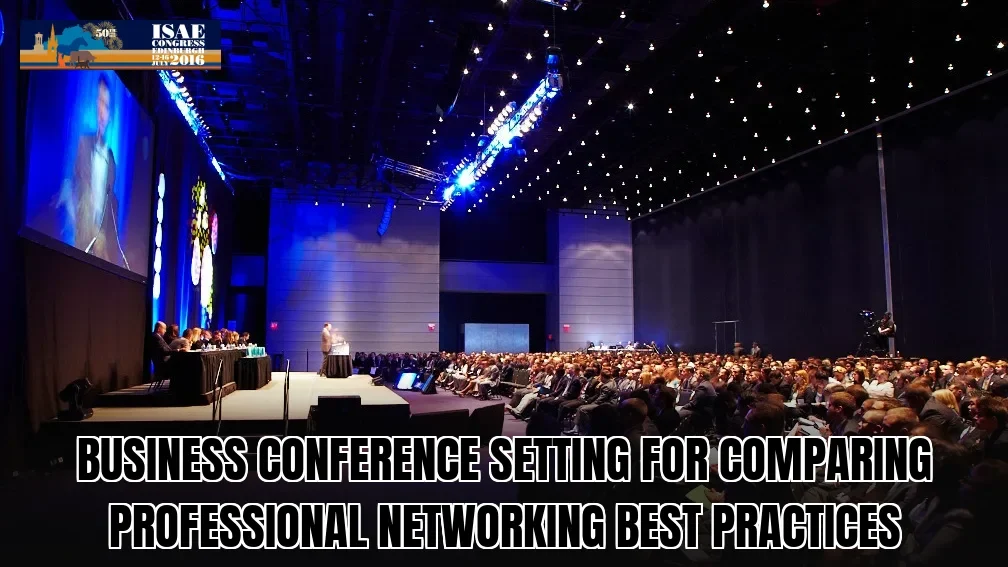
Understanding the most effective approaches to professional networking requires comparing different methods across key dimensions such as reach, depth of relationship, time investment, and return on investment. The table below provides a structured comparison of the primary networking channels available to professionals in 2026, helping you allocate your time and energy strategically.
| Networking Channel | Reach | Relationship Depth | Time Investment | Best For |
|---|---|---|---|---|
| LinkedIn & Digital Platforms | Very High | Low to Medium | Medium | Visibility, job searching, thought leadership |
| Industry Conferences | Medium | High | High | Deep connections, collaboration, mentorship |
| Professional Associations | Medium | Medium to High | Medium | Community building, credibility, referrals |
| Online Communities & Forums | High | Low to Medium | Low to Medium | Knowledge sharing, niche expertise |
| Alumni Networks | Medium | Medium to High | Low | Trust-based introductions, career transitions |
How Professional Networking Drives Academic And Research Collaboration
For academics, researchers, and educators, professional networking is the foundation of collaborative scholarship. Interdisciplinary research projects, joint grant applications, and co-authored publications all begin with a relationship forged at a conference, workshop, or online forum. Academic networking requires a particular sensitivity to intellectual generosity — sharing ideas openly, crediting collaborators appropriately, and engaging with emerging scholars as well as established authorities. Institutions that foster a culture of active networking among their faculty and students consistently produce more impactful research and attract greater external funding and recognition.
Measuring The ROI Of Your Networking Efforts
Evaluating the return on investment of professional networking requires moving beyond simple metrics like connection counts or event attendance. Meaningful measurement focuses on outcomes such as new collaborations initiated, referrals received, knowledge gained, and career opportunities explored. Professionals who regularly audit their networking activities — assessing which relationships have generated the most value and which channels have proven most productive — are better positioned to refine their strategies and invest their limited time wisely. Qualitative reflection, combined with simple tracking tools, transforms networking from a vague aspiration into a measurable professional competency.
Ethical Dimensions Of Professional Networking In The Digital Age
As professional networking increasingly occurs through digital platforms, ethical considerations around data privacy, authenticity, and inclusivity have become more prominent. Professionals must navigate the tension between personal branding and genuine self-presentation, ensuring that their online personas accurately reflect their values and expertise. Inclusive networking — actively seeking connections across gender, cultural, and disciplinary boundaries — not only enriches individual networks but also contributes to more equitable professional ecosystems. Ethical networking builds the kind of trust and reputation that sustains long-term career success far more effectively than any short-term transactional approach.
Conclusion
In 2026, professional networking remains one of the most powerful and transferable skills a professional can develop, regardless of industry or career stage. From digital engagement on LinkedIn to deep relationship-building at academic conferences, the principles of authentic connection, consistent follow-up, and mutual value creation define truly effective networking. Whether you are advancing your research career, expanding your business, or navigating a professional transition, investing in your network is investing in your future. Explore more resources and connect with a global community of professionals at isae2016.co.uk and take the next step in your professional journey today.
Xem thêm: Academic Conference Attendance Tips for ISAE 2016 Event — Attendance Tips