
 Home
Home Congress Info
 Programme
The keynote sessions are widely regarded as the most impactful segment of any professional conference or academic summit. In 2026, as the landscape of global knowledge-sharing continues to evolve, understanding how to fully leverage these pivotal presentations has become essential for researchers, educators, and industry professionals alike. Whether you are a first-time attendee or a seasoned conference veteran, knowing what makes keynote sessions valuable — and how to extract maximum insight from them — can dramatically elevate your overall event experience and professional development trajectory.
What Are Keynote Sessions And Why Do They Matter In 2026
Before diving into strategy and structure, it is worth establishing a clear understanding of what keynote sessions actually represent within the broader conference ecosystem. These are not ordinary panel discussions or breakout seminars. They are carefully curated, high-profile presentations delivered by thought leaders, subject matter experts, or pioneering researchers whose work has significantly shaped their respective fields. The term “keynote” itself originates from the musical concept of setting the tone for an entire performance, which is precisely what these sessions do for a conference.

The Core Purpose Of Keynote Sessions In Academic Events
At their core, keynote sessions serve as intellectual anchors for the entire conference program. They establish the thematic direction, introduce emerging paradigms, and spark conversations that reverberate throughout every subsequent panel, workshop, and networking opportunity. In academic settings particularly, a well-delivered keynote can introduce groundbreaking research findings to hundreds of peers simultaneously, compressing months of literature review into a single, focused presentation. This efficiency is invaluable in an era where information overload is a genuine professional challenge.
How Keynote Sessions Differ From Other Conference Formats
Unlike concurrent sessions or poster presentations, keynote sessions are typically held in the largest venue available, ensuring maximum attendance and collective engagement. The speaker selection process is far more rigorous, with organizers investing considerable effort in identifying individuals whose expertise, communication skills, and research credibility align perfectly with the event’s overarching theme. This distinction means that attendees can expect a higher density of transformative ideas per minute compared to other session formats, making strategic attendance and active note-taking absolutely critical.
Key Characteristics That Define High-Quality Keynote Sessions
Not all keynote sessions are created equal. The most impactful ones share several distinguishing characteristics that separate them from merely competent presentations. First, they offer original insights rather than recycled talking points. Second, they connect theoretical frameworks to real-world applications in ways that resonate across different disciplines. Third, they inspire actionable reflection, prompting attendees to reconsider existing assumptions and explore new methodological approaches. Recognizing these qualities in advance helps attendees prioritize their schedule and engage more meaningfully with the content being presented.
How To Prepare For Keynote Sessions Like A Professional
Preparation is the single most underrated factor in determining how much value an attendee extracts from keynote sessions. Many professionals arrive at conferences with good intentions but without a structured approach to engagement, which significantly limits their ability to retain and apply the knowledge they encounter. A deliberate pre-session strategy, developed well before the event begins, can transform a passive listening experience into an active intellectual exercise with lasting professional impact.

Research The Speaker Before Attending Keynote Sessions
One of the most effective preparation tactics is conducting thorough background research on the keynote speaker before the event. This means reviewing their recent publications, exploring their institutional affiliations, and understanding the broader context of their current research agenda. When you arrive at keynote sessions already familiar with the speaker’s intellectual trajectory, you are far better positioned to identify novel contributions, formulate insightful questions, and engage in meaningful post-session dialogue with fellow attendees who share your areas of interest.
Setting Personal Learning Objectives For Each Session
Experienced conference attendees approach each session with two or three specific learning objectives defined in advance. For keynote sessions, this might involve identifying how the speaker’s research intersects with your own work, noting any methodological innovations that could be applied to ongoing projects, or simply gaining a clearer understanding of where a particular field is heading in the near future. Having explicit goals transforms passive observation into purposeful engagement, ensuring that the insights you gather are immediately relevant to your professional context rather than abstractly interesting.
Active Note-Taking Strategies That Enhance Retention
The Cornell method, mind mapping, and concept sketching are all proven note-taking approaches that work exceptionally well during keynote sessions. The key is to capture not just the information presented but also your own reactions, questions, and connections to existing knowledge. This dual-layer documentation creates a richer record that remains useful long after the conference concludes. Digital tools such as structured note applications can further enhance this process by allowing you to tag, search, and share insights with colleagues who were unable to attend in person.
Comparing Keynote Sessions Across Different Conference Types In 2026
The nature and format of keynote sessions can vary considerably depending on the type of conference, the hosting organization, and the intended audience. Understanding these differences allows professionals to calibrate their expectations and tailor their engagement strategies accordingly. In 2026, with hybrid and fully virtual formats now firmly established alongside traditional in-person events, the diversity of keynote delivery models has expanded significantly, creating both new opportunities and new challenges for attendees seeking maximum value.
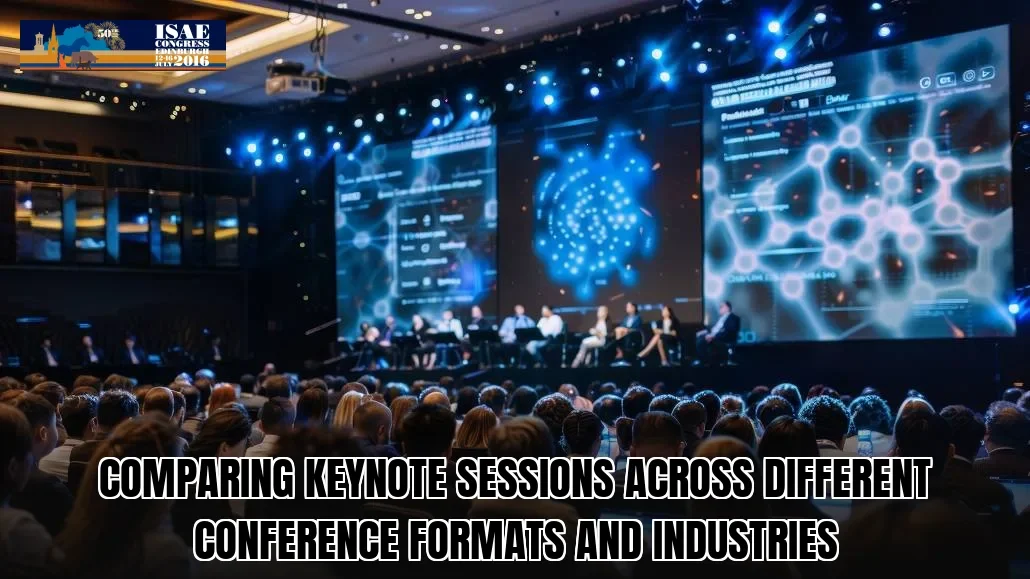
Academic Versus Industry Keynote Sessions: A Structural Comparison
Academic keynote sessions tend to prioritize theoretical depth, methodological rigor, and the presentation of original research findings. Industry keynotes, by contrast, often emphasize practical applications, market trends, and strategic insights that can be immediately implemented within organizational contexts. Neither format is inherently superior; the value depends entirely on the attendee’s professional objectives. Many of the most stimulating conferences in 2026 deliberately blend both approaches, inviting speakers from academia and industry to present consecutive keynote sessions that create productive intellectual tension and cross-disciplinary dialogue.
Virtual Versus In-Person Keynote Sessions: Engagement Differences
The shift toward hybrid conference models has fundamentally changed how attendees experience keynote sessions. Virtual participation offers unparalleled accessibility, allowing professionals from across the globe to engage with world-class speakers without the logistical burden of international travel. However, in-person attendance still offers unique advantages in terms of ambient energy, spontaneous networking, and the subtle interpersonal dynamics that emerge when hundreds of engaged minds gather in a shared physical space. Smart conference strategies in 2026 involve leveraging the strengths of both formats simultaneously.
Evaluating The Long-Term Impact Of Keynote Sessions On Career Development
The true value of keynote sessions often reveals itself gradually rather than immediately. A concept introduced by a keynote speaker might not find direct application until months later, when a specific project challenge creates the perfect context for that insight to become actionable. Maintaining a dedicated conference insights journal, revisiting session notes periodically, and discussing keynote themes with colleagues over time are all practices that help professionals extract sustained career development value from these high-quality presentations well beyond the conference itself.
| Feature | Academic Keynote Sessions | Industry Keynote Sessions | Hybrid Keynote Sessions |
|---|---|---|---|
| Primary Focus | Original research and theory | Market trends and applications | Cross-disciplinary insights |
| Speaker Profile | Senior researchers and professors | C-suite executives and innovators | Mixed academic-industry experts |
| Audience Engagement | Q&A and peer discussion | Live polling and case studies | Interactive digital tools |
| Typical Duration | 45–60 minutes | 30–45 minutes | 50–75 minutes |
| Follow-Up Resources | Published papers and abstracts | Slide decks and reports | Recorded sessions and transcripts |
Conclusion
In summary, keynote sessions represent one of the most concentrated sources of professional and intellectual value available within the modern conference landscape. By understanding their purpose, preparing strategically, and engaging with the content both during and after the event, professionals in 2026 can transform these sessions into genuine catalysts for career growth and research innovation. Whether you attend in person or virtually, the insights gained from high-quality keynote presentations have the power to reshape your thinking, expand your professional network, and position you at the forefront of your field. Explore more about upcoming events and speaker programs at isae2016.co.uk to begin your journey today.
Xem thêm: Benefits of Attending Scientific Workshops Growth Guide