 Home
Home Congress Info
 Programme
Becoming a first time conference attendee can feel both exciting and overwhelming at the same time. You’re stepping into an environment filled with industry experts, networking opportunities, and sessions designed to expand your knowledge. Whether you’re attending a professional summit, an academic gathering, or an industry expo, knowing what to expect makes all the difference. This guide walks you through everything you need to prepare, engage, and follow up effectively — so your first conference experience becomes a launchpad for long-term professional growth in 2026 and beyond.
What Every First Time Conference Attendee Should Know Before Arriving
Preparation is the foundation of a successful conference experience. Many attendees arrive underprepared and miss out on the most valuable moments simply because they didn’t plan ahead. As a first time conference attendee, investing time in pre-event research can dramatically improve what you get out of the entire event. Understanding the agenda, knowing who’s speaking, and setting clear goals before you walk through the door gives you a strategic advantage over those who show up without direction.
Setting Clear Goals Before The Event
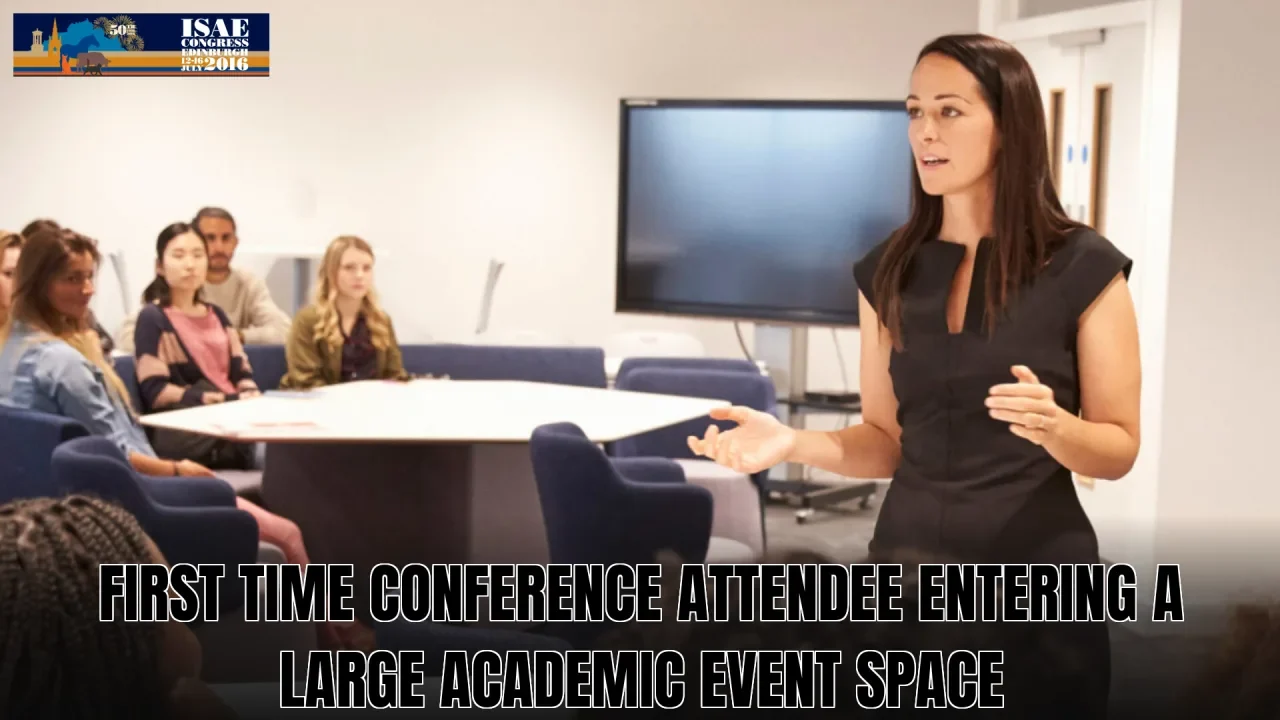
Before registering or booking travel, ask yourself what you want to achieve. A first time conference attendee who defines specific goals — whether learning a new skill, meeting five key contacts, or discovering emerging trends — will naturally navigate the event more purposefully. Goals act as your compass when you’re overwhelmed by the sheer volume of sessions, workshops, and networking events available. Write your objectives down, prioritize them, and revisit them each morning of the conference to stay focused and intentional throughout the experience.
Researching Speakers And Sessions In Advance
Conference programs are often released weeks before the event. Use this time wisely. A first time conference attendee should review speaker bios, read recent articles they’ve published, and identify which sessions align with personal or professional development goals. Following speakers on LinkedIn or Twitter before the event creates a natural conversation starter when you meet them in person. This level of preparation signals professionalism and genuine interest, which makes a lasting impression on speakers and fellow attendees alike during the conference days.
Packing And Logistics: Don’t Overlook The Details
Practical preparation matters just as much as intellectual readiness. A first time conference attendee should confirm hotel bookings, transportation, and registration details well in advance. Pack business cards, a notebook, portable chargers, and comfortable shoes — you’ll be on your feet more than you expect. Check the dress code and venue layout ahead of time. Knowing where key rooms are located reduces anxiety on the first day. Small logistical details, when handled early, free up mental energy for what truly matters: learning, connecting, and contributing to meaningful conversations throughout the event.
How To Network Effectively As A First Time Conference Attendee
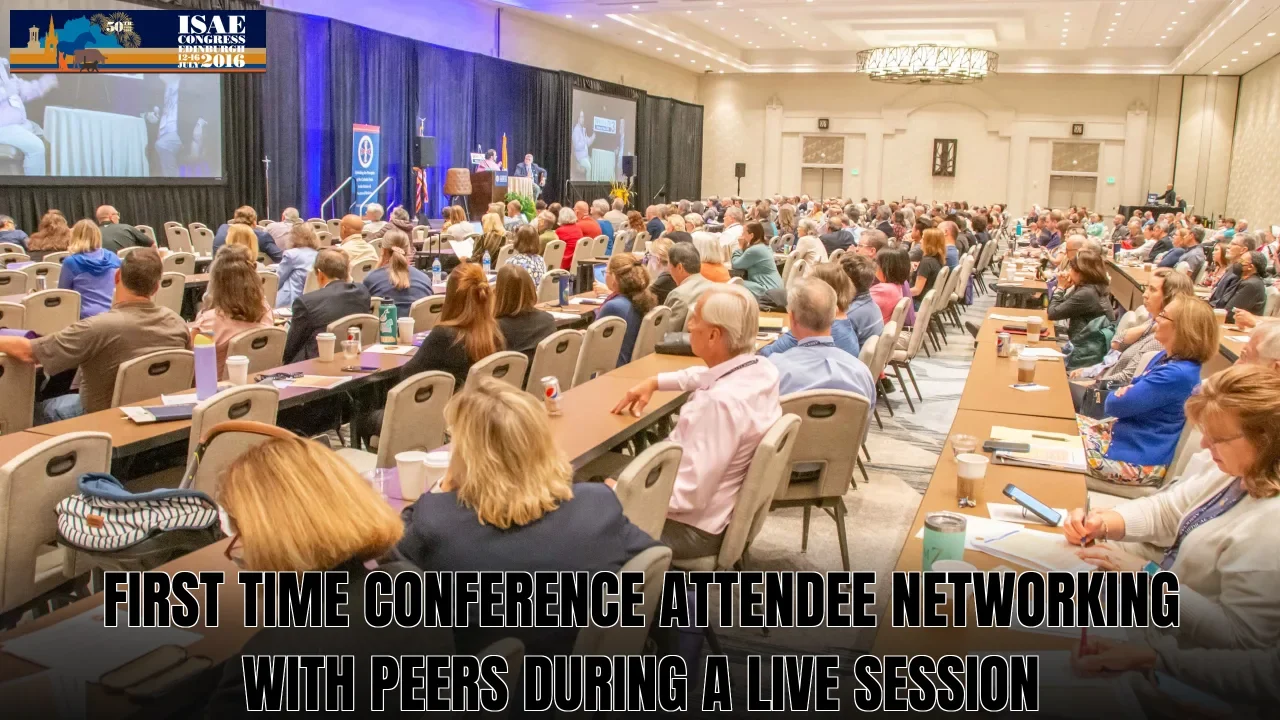
Networking is consistently ranked as one of the top reasons professionals attend conferences. Yet for many first-timers, it’s also the most intimidating part. A first time conference attendee doesn’t need to be an extrovert to build meaningful connections. What matters most is authenticity, curiosity, and a willingness to engage with people across different experience levels. The conference environment is uniquely designed to encourage interaction, so take advantage of every structured and unstructured opportunity to introduce yourself and start genuine conversations.
Breaking The Ice: Conversation Starters That Work
Walking up to a stranger and starting a conversation is a skill that improves with practice. As a first time conference attendee, simple and honest openers work best. Ask someone which session they’re most looking forward to, or what brought them to this particular event. People enjoy talking about their work and interests, so asking thoughtful questions removes the pressure of performing. Mentioning that it’s your first time attending often invites warmth and mentorship from more experienced participants who remember their own early conference experiences and are genuinely happy to help.
Using Digital Tools To Strengthen In-Person Connections
Modern conferences come with dedicated apps, hashtags, and online communities that extend networking beyond face-to-face moments. A first time conference attendee should download the official event app before arriving, join any associated LinkedIn groups, and participate in pre-event online discussions. During the conference, use the event hashtag on social media to engage with content and get noticed by other attendees. After each meaningful conversation, send a personalized LinkedIn connection request the same day — while the interaction is still fresh and the context is clear in both parties’ minds.
Navigating Group Dynamics And Social Events
Conferences include social dinners, cocktail receptions, and informal meetups that offer some of the richest networking opportunities. A first time conference attendee should resist the temptation to stay in their hotel room during these events. Joining group tables at meals, attending evening receptions, and participating in organized networking activities puts you in close proximity to people you might not encounter in formal sessions. These relaxed settings allow for deeper, more personal conversations that often lead to lasting professional relationships, mentorships, and even collaborative opportunities that extend well beyond the conference itself.
Maximizing Learning And Engagement During Sessions
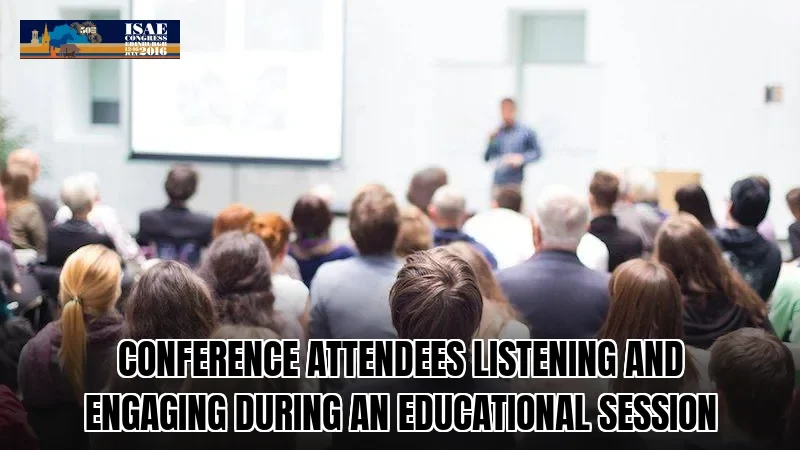
Attending sessions is only valuable if you actively engage with the material being presented. Passive listening rarely leads to meaningful retention or application. A first time conference attendee who takes structured notes, asks thoughtful questions, and participates in discussions walks away with insights that are immediately actionable. The most successful attendees treat each session like a workshop rather than a lecture — they come prepared, stay curious, and look for direct connections between what’s being presented and their own professional challenges or opportunities.
Smart Note-Taking Strategies For Conference Sessions
Effective note-taking is not about writing everything down — it’s about capturing what’s most relevant to your goals. A first time conference attendee should focus on key insights, surprising statistics, actionable recommendations, and names of resources mentioned by speakers. Use a simple structure: the main idea, supporting points, and one immediate action you can take. Digital tools like Notion or OneNote allow you to organize notes by session and tag them for easy retrieval. Review your notes each evening to consolidate what you’ve learned before the next day’s sessions begin and memories are still sharp.
Asking Questions That Create Visibility
Q&A sessions are underutilized by most first-timers. A first time conference attendee who asks a well-crafted question during a session gains visibility not just with the speaker, but with everyone in the room. Prepare questions in advance based on your session research, and refine them as the presentation unfolds. Keep questions concise, relevant, and framed around genuine curiosity rather than self-promotion. Speakers remember attendees who ask thoughtful questions, and fellow participants often approach you afterward to continue the conversation — turning a thirty-second question into a valuable new professional connection.
Balancing Sessions With Recovery Time
Conference fatigue is real and often underestimated. A first time conference attendee may feel pressure to attend every single session out of fear of missing out. However, overloading your schedule leads to diminishing returns — by the third day, retention drops significantly when the mind and body are exhausted. Build intentional breaks into your schedule. Use quiet time to review notes, follow up with new contacts, or simply recharge. Choosing quality over quantity in session attendance ensures that the insights you do absorb are retained, processed, and ready to be applied when you return to your workplace.
| Stage | Key Action | Tool / Resource | Expected Outcome |
|---|---|---|---|
| Pre-Event | Research speakers and agenda | Conference website, LinkedIn | Clear goals and session priorities |
| Day One | Attend opening session and networking breakfast | Event app, business cards | Initial connections established |
| During Sessions | Take structured notes and ask questions | Notion, OneNote, notebook | Actionable insights captured |
| Evening Events | Attend social receptions and dinners | Event schedule, hashtag | Deeper relationship building |
| Post-Event | Follow up with contacts and review notes | LinkedIn, email | Long-term professional relationships |
Conclusion
The journey of a first time conference attendee is one of the most rewarding professional investments you can make in 2026. From pre-event preparation and strategic networking to active session engagement and thoughtful follow-up, every step of the process contributes to lasting growth. The skills, connections, and knowledge you gain at your first conference will compound over time — shaping your career, expanding your perspective, and opening doors you didn’t know existed. Visit isae2016.co.uk to explore resources, event information, and expert guidance designed to help you make the most of every conference opportunity ahead.
Xem thêm: conference travel planning checklist — Conference Travel Planning Checklist For ISAE 2016