
 Home
Home Congress Info
 Programme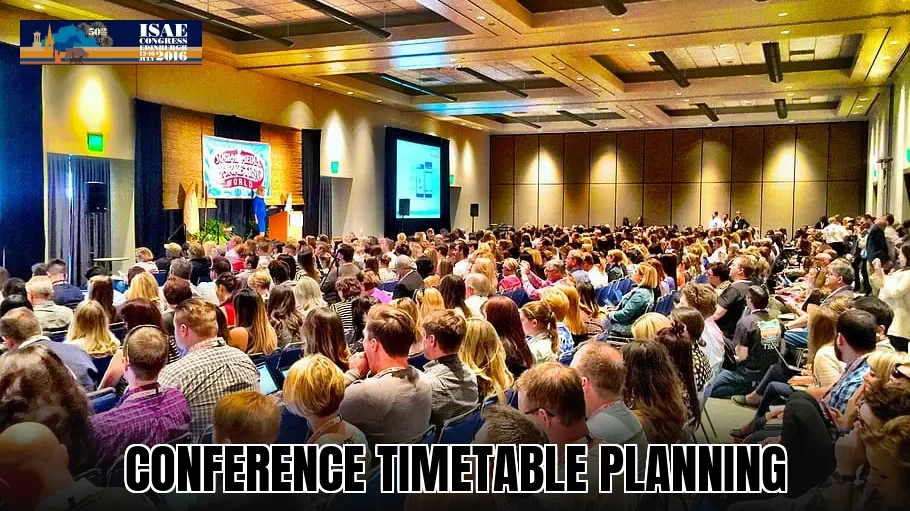
A well-structured conference timetable is the backbone of any successful academic or professional event. Whether you are an organizer, a speaker, or an attendee, understanding how to read, build, and optimize a conference timetable can dramatically improve your overall experience. In 2026, with hybrid and in-person events returning at full scale, the demand for precise scheduling has never been higher. This guide explores everything you need to know about creating and managing an effective conference timetable that meets the expectations of all stakeholders involved.
Why A Conference Timetable Matters For Event Success
Every large-scale academic gathering depends on structured planning to function smoothly. A conference timetable serves as the central reference document that aligns speakers, session chairs, venue staff, and attendees toward a common schedule. Without it, even the most prestigious symposium risks falling into logistical chaos. In 2026, event planners are expected to deliver schedules that are not only accurate but also adaptive to real-time changes such as speaker cancellations or room reassignments.
The Role Of A Conference Timetable In Attendee Experience
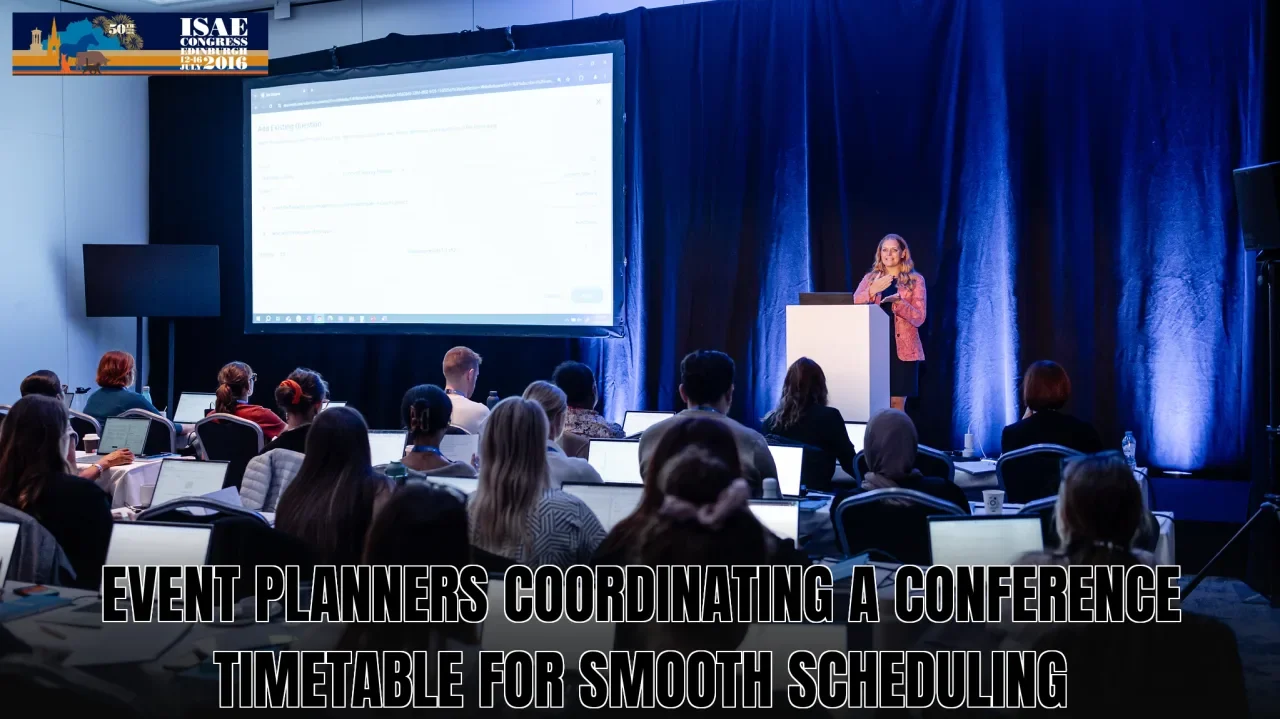
From the moment participants register, they begin consulting the conference timetable to plan their personal agendas. A clear and accessible schedule helps attendees identify which keynote sessions, breakout workshops, and networking opportunities align with their professional interests. When the timetable is poorly designed or difficult to navigate, attendees often miss critical sessions, leading to dissatisfaction and negative feedback. Organizers who invest in intuitive scheduling tools see measurably higher engagement rates and post-event satisfaction scores across all participant categories.
Impact On Speakers And Session Coordination
Speakers rely heavily on the published conference timetable to manage their travel, preparation, and presentation timing. A well-communicated schedule ensures that each presenter knows their exact slot, the allocated duration, and any technical setup requirements beforehand. When session coordination is handled through a centralized timetable system, the risk of overlapping presentations or double-booked rooms is significantly reduced. This level of precision reflects professionalism and builds long-term credibility for the organizing institution or association.
Operational Benefits For Event Organizers
Behind the scenes, the conference timetable functions as a master operations document. Venue managers use it to coordinate room setups, catering schedules, and AV equipment deployment. Volunteer coordinators reference it to assign staff to specific time slots and locations. In large multi-track conferences, the timetable becomes even more critical because it must balance parallel sessions without creating conflicts for attendees who wish to move between tracks. A robust scheduling framework ultimately reduces operational costs and minimizes day-of disruptions.
How To Build An Effective Conference Timetable In 2026
Building a high-quality conference timetable requires more than simply listing sessions in chronological order. It involves strategic thinking about audience flow, energy levels throughout the day, and the logical sequencing of topics. Modern conference planners now use dedicated scheduling software that integrates speaker bios, abstract submissions, and room capacities into one unified platform. The result is a dynamic and exportable timetable that can be distributed across websites, mobile apps, and printed programs simultaneously.

Key Elements Every Conference Timetable Should Include
An effective conference timetable must contain several essential components to be genuinely useful. Organizers should ensure the following elements are always present and clearly labeled:
- Session title and track designation for easy navigation
- Speaker name, affiliation, and presentation duration
- Room or venue location with capacity information
- Break times including coffee breaks, lunches, and networking slots
- Opening and closing ceremony timings with responsible parties
- Q&A periods and panel discussion windows clearly marked
When all these details are consolidated into one document, participants can make informed decisions about how to spend their time. The timetable becomes a trusted companion rather than just a logistical formality.
Common Mistakes To Avoid When Scheduling Sessions
Even experienced organizers make scheduling errors that undermine the effectiveness of a conference timetable. One of the most frequent mistakes is underestimating transition times between sessions, particularly in large venues where attendees must travel between buildings or floors. Another common issue is scheduling competing high-interest sessions at the same time, which forces participants to choose between content they value equally. Planners should also avoid placing all keynote addresses in the morning without distributing compelling content throughout the day to maintain sustained attendance.
Using Technology To Optimize Your Conference Timetable
In 2026, digital tools have transformed how organizers approach the conference timetable creation process. Platforms such as Sched, Whova, and Sessionize allow planners to build interactive schedules that attendees can personalize on their mobile devices. These tools support real-time updates, push notifications for session changes, and integration with calendar applications. The shift toward app-based timetables has also reduced printing costs significantly while improving accessibility for international participants across different time zones.
Conference Timetable Best Practices For Academic Events
Academic conferences have unique scheduling requirements that differ from corporate or trade events. The conference timetable for a scientific symposium must account for abstract presentations, poster sessions, committee meetings, and social events, all within a compact multi-day framework. Balancing these competing demands requires careful consultation with scientific committees and program chairs well in advance of the event date. Below is a sample structure commonly used for a two-day academic conference in 2026.

| Time Slot | Session Type | Duration | Location |
|---|---|---|---|
| 08:30 – 09:00 | Registration & Welcome Coffee | 30 minutes | Main Foyer |
| 09:00 – 10:00 | Opening Keynote Address | 60 minutes | Plenary Hall A |
| 10:00 – 10:20 | Coffee Break & Networking | 20 minutes | Exhibition Area |
| 10:20 – 12:30 | Parallel Technical Sessions | 130 minutes | Rooms B1, B2, B3 |
| 12:30 – 13:30 | Lunch & Poster Session | 60 minutes | Dining Hall & Gallery |
| 13:30 – 15:30 | Workshop & Panel Discussion | 120 minutes | Room C1 |
| 15:30 – 16:00 | Closing Remarks & Awards | 30 minutes | Plenary Hall A |
Designing A Conference Timetable That Supports Networking
One of the most undervalued aspects of scheduling is intentionally building networking opportunities into the conference timetable. Many attendees cite informal conversations during breaks as the most valuable part of any event. Organizers should allocate generous buffer time between sessions and create designated networking zones where participants can connect without competing noise from ongoing presentations. Structured networking activities such as speed introductions or themed discussion tables can also be incorporated into the timetable to facilitate meaningful professional connections.
Accessibility And Inclusivity In Timetable Design
A thoughtfully designed conference timetable must also consider the diverse needs of all participants. This includes scheduling sessions at times that accommodate international attendees across multiple time zones, particularly for hybrid events with virtual components. Organizers should avoid scheduling all major content during hours that disadvantage participants from specific regions. Additionally, providing the timetable in accessible formats such as screen-reader-compatible PDFs and mobile-responsive web pages ensures that participants with disabilities can engage fully with the event program from start to finish.
Post-Event Evaluation Of Your Conference Timetable
After the event concludes, reviewing the performance of the conference timetable is essential for continuous improvement. Attendance tracking data, session feedback surveys, and speaker evaluations all provide valuable insights into which scheduling decisions worked well and which created friction. Identifying sessions with unexpectedly low attendance may reveal conflicts in the timetable that were not apparent during the planning phase. This retrospective analysis forms the foundation for building an even stronger schedule for the following year’s event cycle.
Conclusion
A carefully crafted conference timetable is far more than a list of sessions. It is a strategic document that shapes the entire attendee journey, supports speakers and organizers, and determines the overall success of an academic or professional event. In 2026, the expectations for precision, accessibility, and digital integration are higher than ever before. By applying the best practices outlined in this guide, event planners can create schedules that truly serve their communities. Visit ISAE2016 to explore professional resources and timetable examples from leading scientific conferences worldwide.
Xem thêm: Benefits of Attending Scientific Workshops Growth Guide