
 Home
Home Congress Info
 Programme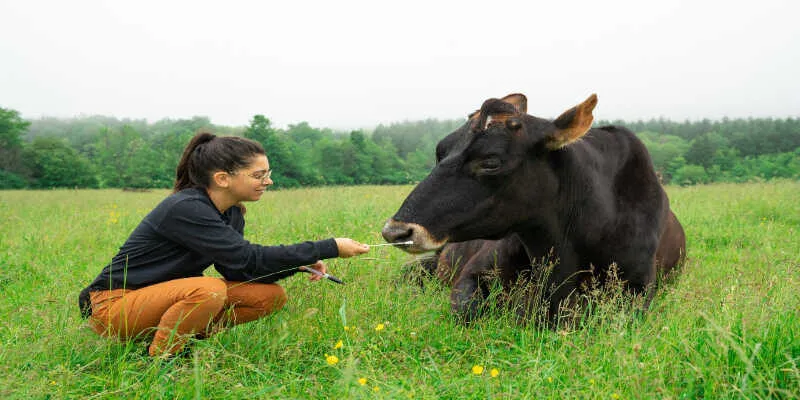
Animal behaviour research methods serve as fundamental pillars for identifying shifts in livestock emotional states globally. Comparing non-invasive technologies with traditional ethograms reveals significant advancements in data accuracy across diverse species. The landmark ISAE 2016 symposium established these updated observational principles to assist modern zoological investigators.
Animal behaviour research methods in modern science
Ethologists frequently employ rigorous observational tools to document how wildlife populations adapt to rapidly changing habitats. Utilizing automated video tracking systems reduces human bias while recording complex social dynamics continuously within natural enclosures. These standardized approaches help international research teams collect uniform data across different ecological zones.
Implementing proper animal behaviour research methods ensures that experimental findings remain fully reproducible across global laboratories. Researchers carefully balance structural environmental variables to minimize external anomalies during observational trials. Validating these systematic processes remains crucial for securing institutional funding and publication approval.

Technological innovations in field observation
Modern tracking tools have revolutionized how field biologists monitor wild populations without disrupting natural habitats. Integrating advanced digital software allows for continuous data collection across remote geographic locations.
Automated video tracking systems
Automated recording software captures subtle physical movements with incredible precision over extended observation periods. Applying these advanced animal behaviour research methods allows scientists to map complex territory utilization maps effortlessly. This digital documentation minimizes human presence, ensuring completely natural wildlife interactions during study cycles.
Biotelemetry and GPS tracking devices
Miniature electronic transmitters provide continuous real-time spatial data regarding migratory patterns across vast oceanic expanses. Modern animal behaviour research methods increasingly rely on satellite telemetry to monitor threatened species without handling animals repeatedly. Collected geographical coordinates reveal crucial habitat preferences necessary for long-term conservation planning.
Acoustic monitoring arrays in marine environments
Underwater microphone networks record vocalizations to evaluate social structures among deep-sea mammal populations safely. Incorporating non-invasive animal behaviour research methods helps marine biologists track pod movements through murky coastal waters accurately. These acoustic records offer deep insights into marine communication shifts caused by commercial shipping noise.
Experimental designs for captive environments
Controlled laboratory settings require precise environmental management to ensure high data consistency during behavioral trials. Scientists modify housing enclosures to evaluate specific cognitive responses under uniform testing conditions.
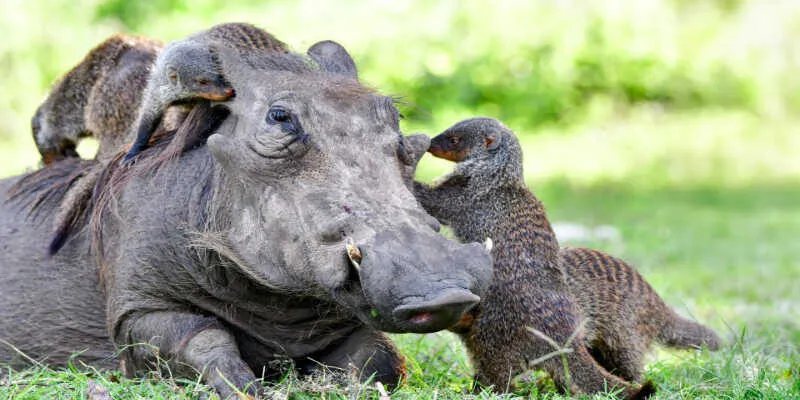
Cognitive bias testing apparatus
Designing interactive testing arenas helps investigators assess the underlying emotional states of domesticated farm animals accurately. Specialized animal behaviour research methods utilize reward paradigms to evaluate how environmental enrichment impacts psychological well-being. The resulting choices reflect whether an individual perceives neutral stimuli optimistically or pessimistically.
Social preference arenas
Multi-chambered selection zones allow researchers to measure the strength of social bonds within group-housed species effectively. Utilizing these objective animal behaviour research methods clarifies how early maternal separation influences adult flocking dynamics over time. Tracking physical proximity helps welfare experts design better housing layouts for social animals.
Locomotor activity monitors
Infrared beam arrays automatically log daily movement cycles to detect early signs of physical illness or stress. Standardized animal behaviour research methods rely on these continuous activity metrics to evaluate laboratory rodent health non-invasively. Sudden changes in circadian rhythms offer immediate warnings regarding underlying physiological disturbances.
Quantitative analysis and data validation
Statistical accuracy converts raw field observations into meaningful scientific frameworks for global policy development. Data analysts implement rigorous mathematical models to eliminate subjective interpretations from final reports.
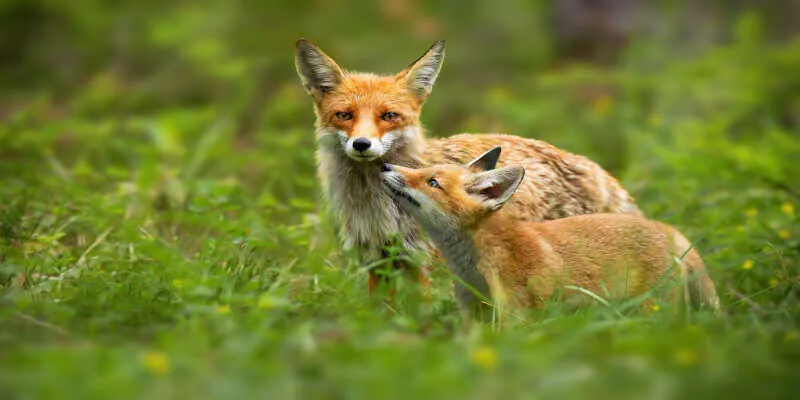
Ethogram development and category definitions
Compiling comprehensive behavioral catalogs remains the initial foundation for any structured zoological study worldwide. Traditional animal behaviour research methods require explicit definitions for every recorded action to ensure high inter-observer reliability. Observers must practice extensive calibration exercises before commencing formal data collection phases.
Sequential analysis models
Mapping the precise order of behavioral events reveals hidden communication structures within animal groups. Mathematical animal behaviour research methods apply Markov chains to calculate the probability of specific social responses occurring next. This analytical approach transforms chaotic field observations into predictable behavioral sequences.
Inter observer reliability metrics
Statistical tests compare independent coding results to guarantee that tracking criteria remain completely uniform throughout. Modern animal behaviour research methods utilize Cohen’s kappa coefficients to validate the consistency of recorded data streams. Achieving high statistical consensus confirms that observational bias has been effectively controlled.
Ethical considerations in modern tracking
Balancing scientific curiosity with animal welfare remains a primary responsibility for contemporary research institutions globally. Review boards closely examine experimental protocols to minimize distress during invasive manipulation procedures.
Minimizing observer handling stress
Reducing physical contact during equipment attachment prevents artificial spikes in plasma cortisol levels among subjects. Progressive animal behaviour research methods prioritize remote habituation techniques over restrictive physical restraint practices always. Keeping subjects calm preserves both animal welfare and the scientific validity of gathered data.
Environmental enrichment integration
Providing structural variety within testing enclosures allows captive subjects to display their full natural behavioral repertoire. Ethical animal behaviour research methods demonstrate that barren environments trigger stereotypic movements that distort experimental outcomes. Enhanced welfare standards directly contribute to higher data accuracy in cognitive studies.
Non invasive sampling alternatives
Collecting fecal or saliva samples allows researchers to monitor stress hormones without capturing animals physically. Combining physiological tracking with animal behaviour research methods offers a holistic view of animal coping mechanisms. These stress-free collection techniques are rapidly becoming the global standard across zoological research.
Advanced statistical applications for behavioral datasets
Modern computational models allow scientists to analyze vast amounts of observational data without losing critical nuanced details. Integrating machine learning algorithms helps identify complex interactive patterns that traditional scanning protocols frequently miss.
Machine learning and predictive modeling
Artificial intelligence networks learn to categorize complex postures automatically after reviewing training data sets. Utilizing these automated animal behaviour research methods accelerates processing speeds for large scale long term wildlife projects. Computers identify sudden behavioral variations faster than manual observation allows.
Time budget calculation frameworks
Quantifying how animals divide their daily hours among survival activities provides essential baseline data for health assessments. Applied animal behaviour research methods calculate exact durations spent feeding, resting, and interacting socially within cohorts. These behavioral time budgets highlight hidden welfare deficiencies in captive settings.
Multivariate analysis of social networks
Sociometric matrices chart the complex web of interactions that define group hierarchies in communal species. Advanced mathematical animal behaviour research methods reveal which key individuals influence group movements and cultural knowledge transmission. Understanding these social structures guides researchers in making better wildlife relocation decisions.
Conclusion
Animal behaviour research methods continue to evolve by integrating advanced automated tracking technologies with compassionate ethical frameworks. Utilizing these standardized observational tools allows global scholars to decode intricate social structures while safeguarding animal well-being. Implementing rigorous validation metrics ensures that gathered data effectively informs international conservation policies over time. The foundational concepts established during the ISAE 2016 convention remain highly influential in shaping these modern ethological methodologies.